“We want to be an extra pair of eyes for companies looking for the right technology and suppliers in Europe” – Lamba Technologies enters the Dutch space sector
- Industry Technology
Kacia Rutkoŭskaja
- 0
- 11 minutes read
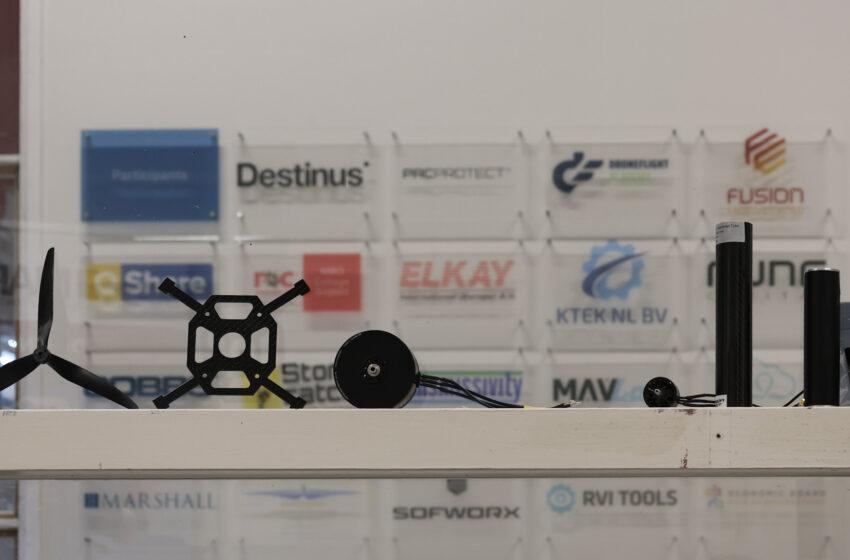
Based at Unmanned Valley in the Duin- en Bollenstreek, Lamba Technologies is a newly established company looking to build its role in the Dutch and wider Benelux space sector. Drawing on the supplier network and experience of Elkay Europe, which has been connecting European technology suppliers with the Indian market for more than 30 years, Lamba focuses on helping companies find the components and technical solutions they need within Europe.
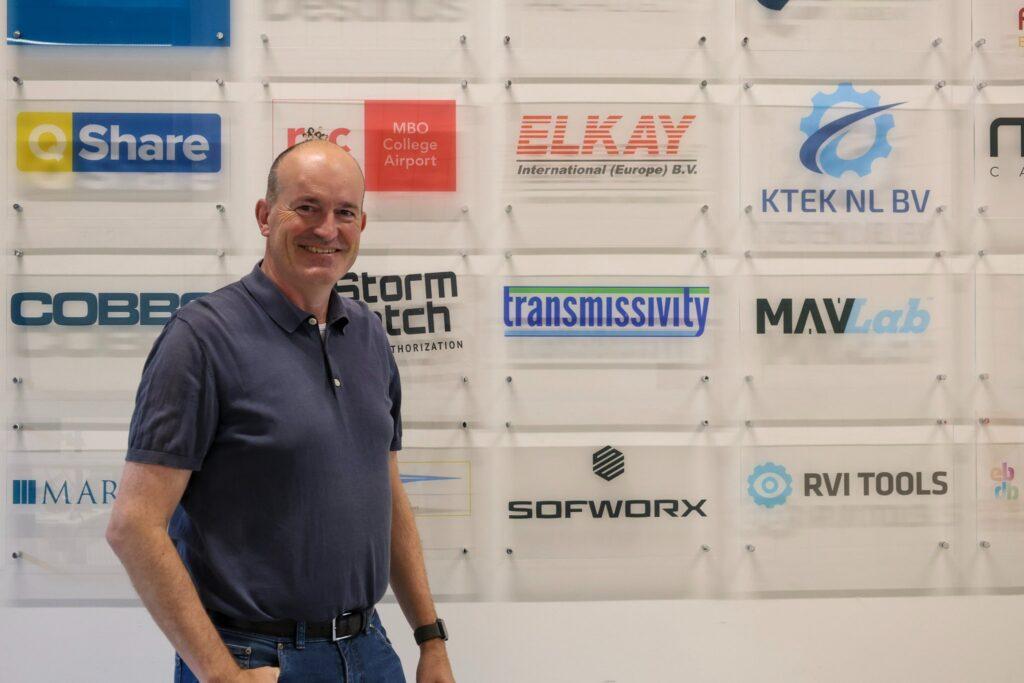
In conversation with Marc Spijker, Sales Manager at Lamba Technologies, we discussed how Lamba can support companies in finding the right suppliers, managing supply-chain requirements and identifying components as their technologies move from early development towards more mature products.
From Elkay Europe to Lamba Technologies
Lamba Technologies was established in 2026, but the experience behind it goes back considerably further. Elkay Europe has worked for 32 years with European technology suppliers, supplying specialised components and technologies to organisations in India.
“Elkay Europe exports European technology to India, while Lamba focuses on bringing European products to customers in the Netherlands and the Benelux,” explains Spijker.
This gives Lamba access to an existing network of specialised European suppliers while developing a distinct role in the Dutch and Benelux markets. It also creates a potential connection in the other direction: for European companies that eventually see India as an interesting market, Elkay Europe can provide experience and connections there.
Finding the right components as technology matures
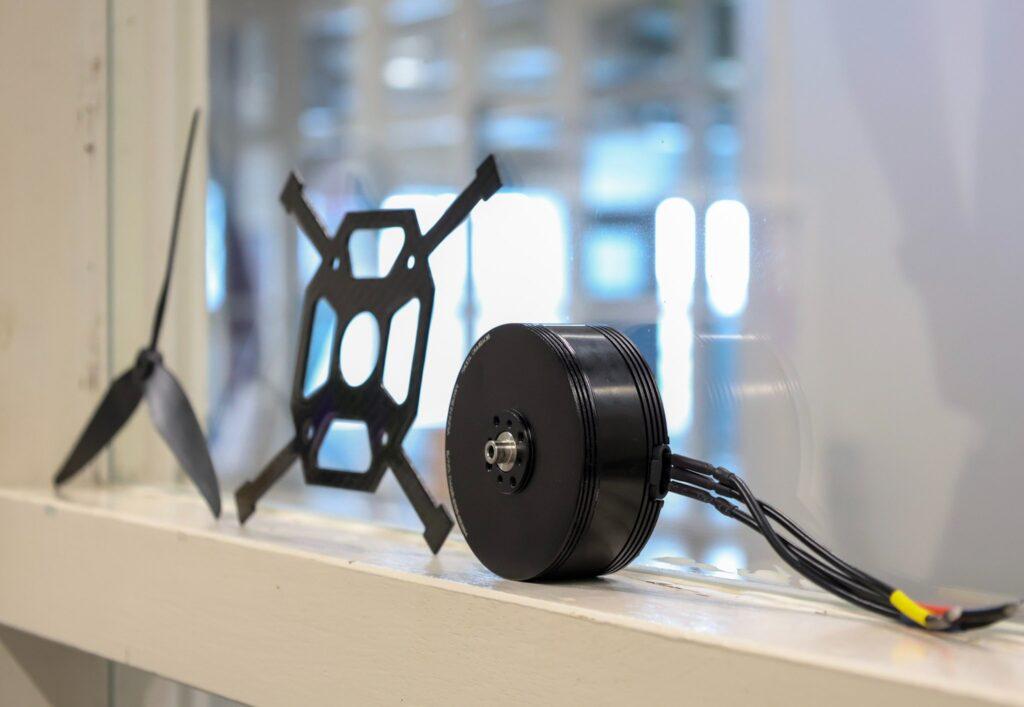
One area where Spijker sees a clear role for Lamba is the transition from an early-stage product towards a more mature system.
Companies developing a proof of concept may initially choose components because they are inexpensive and readily available. As their technology matures, requirements can change: they may need components with different specifications, want to source within Europe, or face concerns around delivery times, quality or intellectual property.
“In that situation, they have to redesign their products, and they need some help with sourcing,” says Spijker. “They can send us the bill of materials, and we can help find the necessary components.”
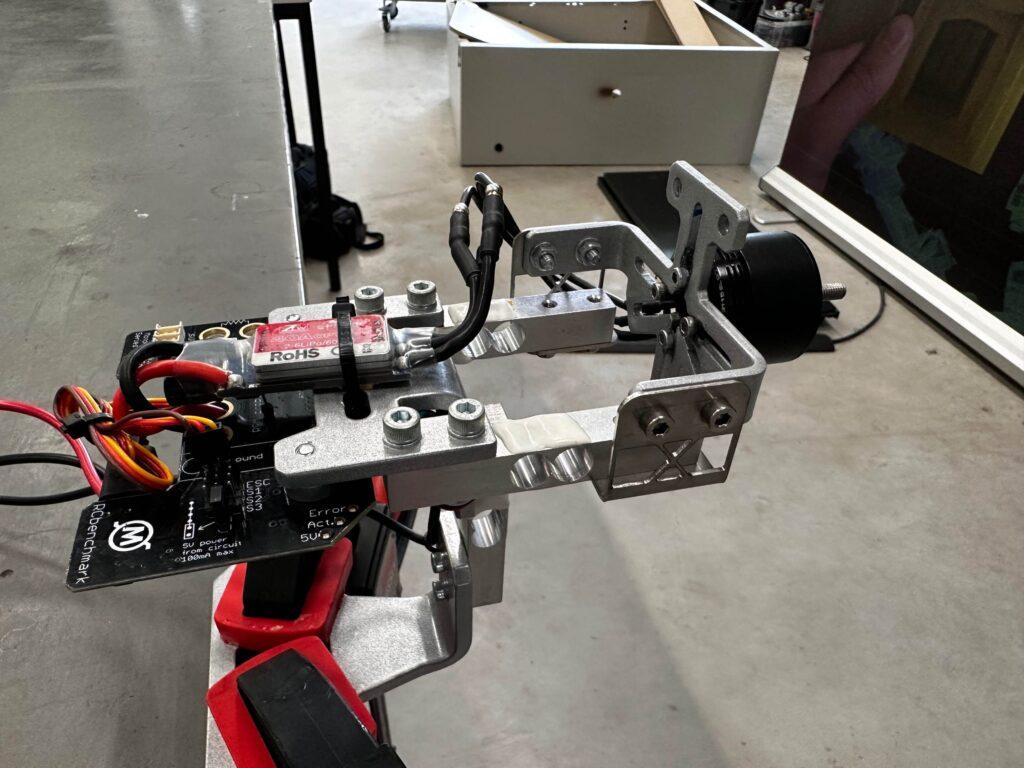
Lamba’s approach can extend beyond identifying a supplier. Depending on the project, the company can support analysis of existing requirements, component and supplier selection, redesign, PCB transition, EMC testing and design optimisation, as well as support during prototyping and scaling. Lamba does not build the prototype itself, Spijker stresses, but helps companies through the process and connects them with relevant technologies and suppliers.
A focus on mechanical and electrical technologies for space
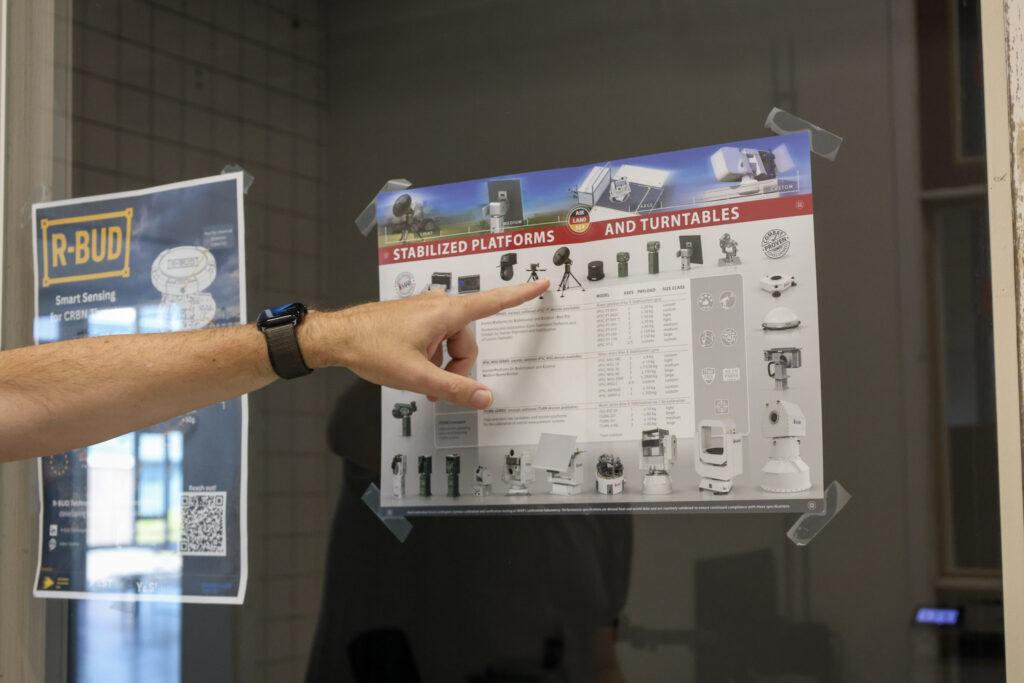
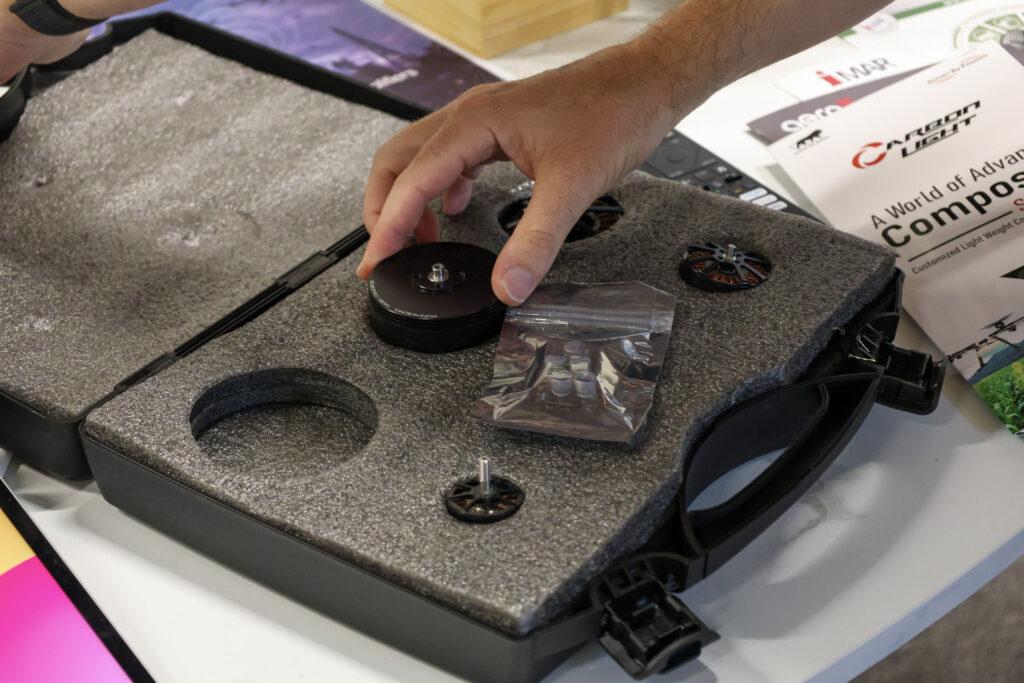
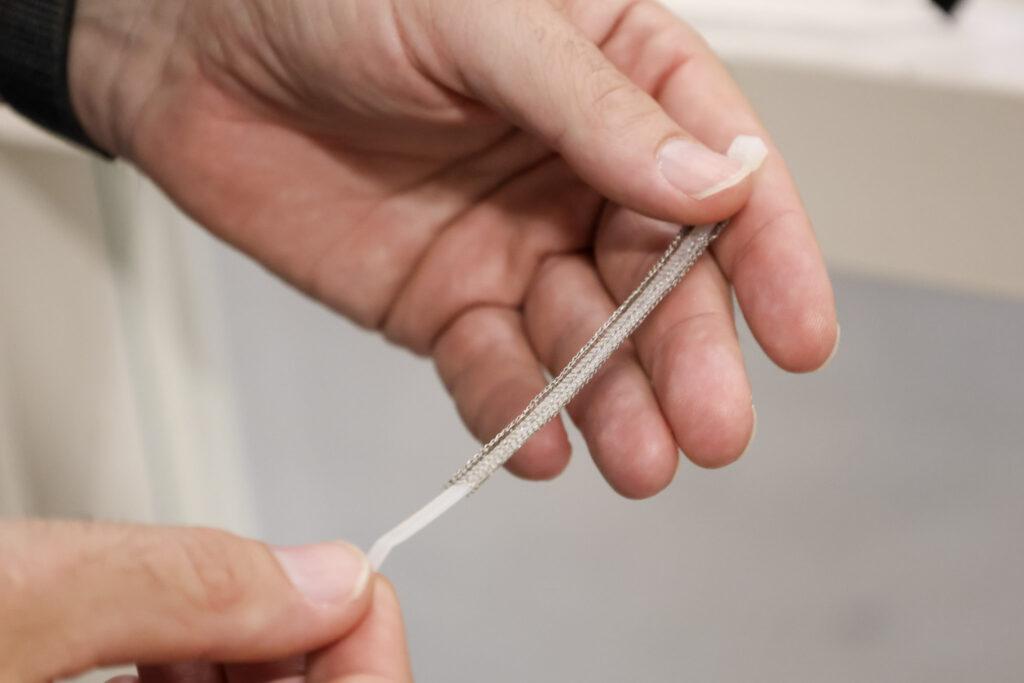
Lamba’s focus within the space sector is on mechanical and electrical components. That includes areas such as motors with space-specific requirements, radar components, antennas and electromagnetic interference (EMI) protection. Lamba also works with technologies related to navigation and positioning, as well as components such as slip rings, shielding materials and gaskets.
Lamba is particularly interested in working with companies developing systems that require specialised mechanical or electrical components, including sensors, machines and robotics. The company is also looking beyond a specific Technology Readiness Level. Spijker is already supporting startups working around TRL 5 and 6, but says there is no fixed threshold for when a company can approach Lamba.
“We want to be supportive and are willing to dedicate time to helping companies find the components and solutions they need,” he says.
Building a place in the regional ecosystem
Lamba’s location at Unmanned Valley also reflects the overlap between the technologies it works with and different high-tech sectors in the region.
The former military airbase has developed into an ecosystem around drones and sensor-based technologies. For Lamba, this provides connections not only to unmanned systems, but also to technologies with applications across air, land and space.
“There is technology that can go from one sector to another,” says Spijker.
Spijker points to radar, navigation and positioning as examples of technologies with applications across different sectors. He mentions radar technology used to position a drone when landing on a moving ship, drawing a parallel with positioning and alignment applications in space.
Its location in the Duin- en Bollenstreek also puts Lamba close to the wider space ecosystem around Noordwijk. Spijker sees events at NL Space Campus and elsewhere in the region as opportunities to connect with Dutch space companies, better understand their specific sourcing and technology needs, and explore where Lamba’s existing supplier network can add value.
An extra pair of eyes for the space sector
That is also why Lamba is looking to connect with companies across the Dutch and European space sector. Rather than positioning itself simply as another component supplier, Spijker sees its role as helping technology companies navigate sourcing and the supply chain while they concentrate on developing their own products.
“We can help with sourcing components and support companies with the supply chain, including arranging import procedures,” says Spijker. “We can share the large sourcing network of European suppliers that has been built over the last 32 years.”
“We want to be an extra pair of eyes for companies looking for the right technology and suppliers in Europe.”
For companies that later want to look beyond Europe, that connection can continue. Through Elkay Europe’s experience and network in India, Lamba can also help European technology companies explore opportunities to introduce their products to the Indian market.
Explore Lamba Technologies on the Industry Space Map
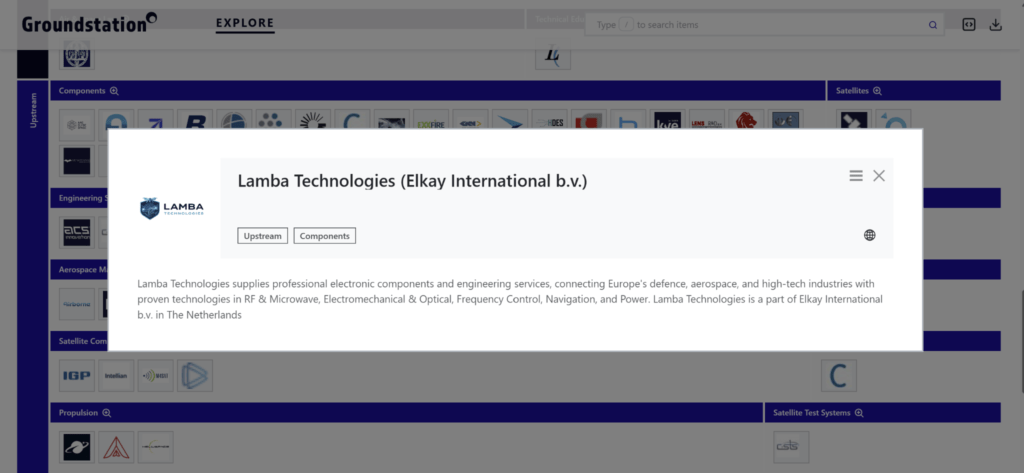
Lamba Technologies is now included in the Industry Space Map, which provides an overview of companies, research organisations and service providers across the space industry value chain. Explore the map to find organisations by category, value-chain segment or location. Is your organisation missing? Please contact us to have it added.
Photo credits: Author, Lamba Technologies archive